
Thank you for Subscribing to Hospitality Business Review Weekly Brief

Crescent Hotels & Resorts
Adam Butts, Senior Vice President of Procurement
The Strategic Edge of Hospitality Procurement
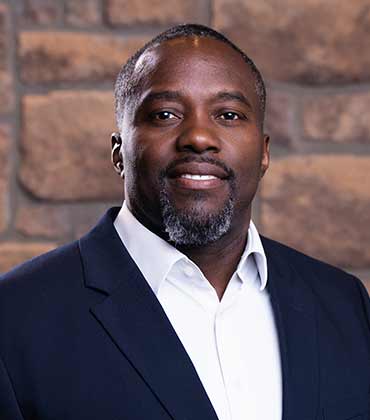
Adam Butts
My experience has reinforced that procurement is no longer just about cost control; it’s about value creation across the entire hotel ecosystem. Early in my career, operations and procurement were often viewed as separate functions. Today, I see them as fully integrated.
At Crescent, we leverage structured procurement programs that combine strong supplier agreements, rigorous audit processes, and standardized systems to ensure consistency and accuracy across our portfolio. For example, our procurement approach includes price auditing, supplier pre-approval, and contract safeguards that collectively reduce risk and ensure properties receive the negotiated value.
More importantly, systems have enabled us to shift from reactive purchasing to proactive decision-making. With better visibility into spend, compliance, and supplier performance, we can identify trends, manage costs in real time, and align procurement strategies with operational goals. That’s where true value is created, not just in savings, but in enabling better outcomes for our owners, operators, and guests.
Balancing Efficiency without Compromising the Guest
Leading procurement across a multi-property hospitality portfolio surfaces a set of tensions that are unique to this industry. The biggest challenge is alignment, ensuring that cost decisions don’t negatively impact the guest experience or operational efficiency.
Hotels operate in a dynamic environment where:
• Owners are focused on ROI and cost control
• Operators need consistency, reliability, and ease of execution
• Guests expect quality, speed, and experience differentiation
Procurement sits at the intersection of all three.
One of the key tensions is that the lowest-cost option doesn’t always deliver the best overall value. Supplier reliability, product quality, and service consistency are equally critical. In practice, we evaluate suppliers not just on price but also on factors such as fulfillment reliability, sustainability considerations, and risk exposure. These are elements we actively assess during sourcing decisions and project intake processes.
True value is created, not just in savings, but in enabling better outcomes for our owners, Adam Butts operators, and guests.
Another challenge is market volatility, whether it’s tariffs, supply chain disruption, or labor constraints, which requires our team to be agile and forward-thinking in how we structure contracts and diversify supply sources.
Lastly, Today’s hospitality organizations constantly navigate the challenge of balancing rising guest expectations with increasing cost pressures. Guests now demand better quality, faster service, personalized experiences, and alignment with sustainability and brand standards. Meanwhile, owners focus on controlling costs, protecting margins, and managing inflation and supply chain disruptions. This creates a difficult situation where improving quality can raise costs, while tight cost-cutting risks harming the guest experience. In this context, procurement should act as a strategic partner, identifying ways to standardize operations without sacrificing distinction and to achieve cost savings without undermining guest satisfaction.
The solution begins with shifting procurement from a narrow focus on price to a broader total value framework, where suppliers are evaluated not only on cost but also on quality and consistency, service reliability and fulfillment, lifecycle cost, and overall operational impact. This approach ensures that decisions support both financial performance and the guest experience, rather than simply delivering short-term savings. At the same time, organizations must standardize with purpose, creating clear, scalable standards across properties while allowing controlled flexibility for brand, market, and guest differentiation. By aligning procurement closely with operations, these standards remain practical and executable, avoiding commoditization while still delivering consistency and leverage. Finally, leveraging data and procurement systems is critical to bringing this strategy to life. By centralizing spend visibility, tracking supplier performance in real time, monitoring compliance with negotiated contracts, and using analytics to identify savings opportunities, organizations can move procurement from a reactive function to a proactive, insight-driven capability that enables better, faster decision-making.
Technology Partnerships and the Future of Procurement
Procurement systems are fundamentally transforming how hospitality organizations operate. Historically, decision-making was fragmented and manual. Today, digital platforms are enabling:
• Centralized visibility into spend and supplier performance
• Real-time data to support faster, better decisions
• Standardized processes across multiple properties
• Improved compliance with negotiated contracts
At Crescent, we’re focused on leveraging eProcurement platforms and supplier ecosystems that integrate sourcing, purchasing, and performance tracking into a single workflow. This creates consistency across properties while still allowing flexibility where needed.
We’re also see increased use of data analytics and AI-driven tools to identify savings opportunities, benchmark pricing, and optimize supplier selection. With the help of our supplier partnerships, digital tools are already being used to drive measurable value, operational efficiencies, and performance metrics at the property level. The future of procurement in hospitality will be increasingly data-driven, where decisions are informed by predictive insights rather than historical reporting.
The technology however is only as effective as the relationship and principles that govern how it is used. As a leader, my approach is grounded in four core principles. First, we prioritize partnership over transactions, viewing our suppliers as strategic partners rather than simply vendors. The strongest relationships are built on transparency, shared goals, and mutual accountability. Second, we focus on consistency with flexibility. While standardization is critical in a multi-property environment, rigid systems are ineffective, so we design procurement frameworks that provide structure while still allowing properties to adapt to their unique operational and market needs. I believe in procurement guardrails not handcuffs.
Third, we emphasize data-driven accountability, holding suppliers to clear performance expectations through metrics, audits, and ongoing reviews to ensure pricing accuracy and contract compliance. Finally, we prioritize risk management and resilience by building redundancy into our supply chain through diversified sourcing, strong contractual protections, and proactive planning. Ultimately, resilient supplier relationships are built on a foundation of trust, consistent performance, and alignment with long-term business objectives.
Building an Impactful Career in Procurement
For professionals looking to build lasting careers in procurement and hospitality, the mindset shift required is fundamental. First and foremost, it’s important to recognize that procurement is a strategic function, not just a transactional one. The most impactful professionals are those who think beyond cost and focus on value creation, risk management, and operational impact. In today’s environment, developing strong analytical skills is essential, as data sits at the core of modern procurement. The ability to interpret spend, identify trends, and make informed, data-driven decisions is a critical differentiator. Equally important is taking the time to truly understand the business itself, not just procurement, by learning how hotels operate day to day. The best procurement decisions are always made in the context of real-world execution.
At the same time, success in hospitality is fundamentally driven by relationships. Building strong, collaborative connections with owners, operators, suppliers, and internal teams is essential to creating long-term value. Professionals must also embrace AI technology, as digital tools and systems continue to reshape procurement and create new opportunities for efficiency and insight. Finally, staying adaptable is critical. Hospitality is a constantly evolving industry, influenced by supply chain disruption, shifting guest expectations, owner demands, and economic pressures. The ability to lead through change and continuously evolve is what ultimately separates strong leaders from truly impactful ones.
The articles from these contributors are based on their personal expertise and viewpoints, and do not necessarily reflect the opinions of their employers or affiliated organizations.
