
Thank you for Subscribing to Hospitality Business Review Weekly Brief

Mainsail Lodging & Development
Jeanette De Sousa, Corporate Director of Human Resources
Staffing, Engagement and the Evolving Hr Role
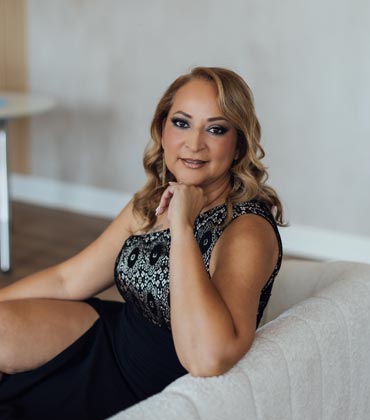
Jeanette De Sousa
From Labor Shortfall to Strategic Talent Acquisition
The hospitality staffing landscape is seeing an ongoing labor shortfall mostly in housekeeping and culinary, especially during fluctuating occupational demands. Many of these roles are often filled by immigrant workers and the current policies are making it harder for many businesses to address their needs. To stay ahead leaders must rely on strategic recruitment and flexible staffing models. Scheduling becomes a critical aspect of your role when you deal with fluctuating demand. For many properties, this means that you must invest in retention tools as retaining strong talent is critical. And the use of seasonal and on-call staff to fill the gaps is now more a necessity to alleviate the operational strain and prevent burnout among your regular employees.
The most important leadership lesson that shaped my approach to talent acquisition as a leader is to hire the right people. Assess talent for both skills and attitude. Use behavioral interviewing techniques to identify individuals with the right mindset and the balance of hard and soft skills needed to succeed in your environment. Hospitality is fast-paced and constantly evolving, so cultural fit, resilience, and adaptability matter. Hiring the right people upfront creates stronger teams, a healthier culture, and better long-term results. Bad hires become bad employees eventually.
From Operational Demand to Organizational Success
Retaining strong talent in hospitality requires a deliberate investment in the employee experience. Invest in recognition and ongoing development opportunities. Employees want to see a clear career path for growth. Embrace the use of AI technology to automate some of your HR workflows but ensure you are creating dayto-day experiences for employees that drive higher levels of engagement, and in turn, higher guest satisfaction scores.
Hiring the right people upfront creates stronger teams, a healthier culture, and better longterm results.
The stakes of getting that experience right have never been higher. There is a decline in employee engagement in the U.S., and research consistently shows that disengaged workers are often doing just enough to stay employed—and this creates a ripple effect in absenteeism and productivity levels, while also impacting morale, team dynamics, customer experience, retention, and ultimately the overall success of the organization.
When I started in HR my focus was policies, processes and training. Then I started learning about the business itself and it completely changed my perspective. The best advice I can offer to the professional pursuing a career in this field is to move beyond the tactical demands of your HR role and begin thinking strategically. Shift from simply enforcing policies and rules to creating talent strategies that support the business and drive results. Hospitality is a people business, and as HR leaders we are not just problem solvers—we are business partners who help shape culture, influence engagement, and view challenges as opportunities to create organizational success. Be adaptable, stay curious, and continue learning. Emotional intelligence matters, and your ability to remain calm, connect with people, and lead through change will become one of your greatest strengths in an industry where priorities shift quickly and no two days are ever the same.
The articles from these contributors are based on their personal expertise and viewpoints, and do not necessarily reflect the opinions of their employers or affiliated organizations.
