
Thank you for Subscribing to Hospitality Business Review Weekly Brief

Newpark Hotel Kilkenny part of the Flynn Hotel Collection
Philip Kelly-MIHI, Head of Sales and Marketing
The New Discipline of Hospitality Marketing Leadership
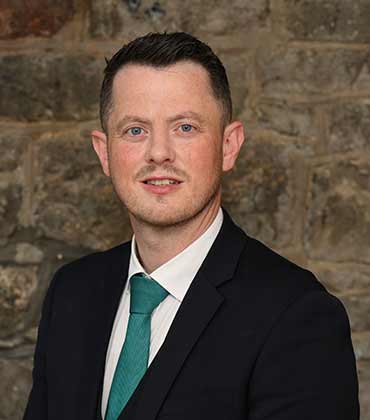
Philip Kelly – MIHI
The Strategic Evolution of Modern Hotel Marketing
Hotel marketing has undergone a significant transformation in the past 2 decades since I started my career. In the past, it was largely an extension of sales, focused on campaigns tied to seasonal peaks and key holidays. Activity was predictable, with limited social posting and a handful of email campaigns each year. Branding itself was often simplified to basic visual elements like logos and colour schemes.
Today, marketing plays a far more strategic role within hotels. It operates as a standalone function, closely connected to revenue, brand positioning, and the overall guest experience. Modern marketers are expected to interpret data, understand shifting demand, and influence how guests perceive and engage with a property throughout their journey. Success now depends on being proactive rather than reactive. This means analysing data trends early and planning for multiple scenarios.
Protecting Brand Value While Driving Revenue Performance
Hotel marketers today face a constant tension between hitting immediate revenue targets and building a brand that holds value over time. Day-to-day demands often lean toward quick wins, such as deal promotions, tactical campaigns, and responding to demand shifts. But strong brands aren’t built that way; they require steady thinking, consistency, and a clear long-term direction. At the same time, any strategy needs enough flexibility to adjust when business needs change.
Another challenge is cutting through the noise. With so many channels available, more activity doesn’t always equal better results. The focus has shifted toward choosing the right platforms that actually reach and convert the right audience.
Guest expectations have also moved on. People now expect smooth, connected experiences from the first search to the post-stay. With more competition online, hotels need strong positioning, clear messaging, and a real understanding of what sets them apart.
Keeping Marketing Strategy Aligned Amid Daily Demands
Staying focused on strategy really comes down to having structure, trusting your team, and keeping momentum through regular follow-ups. At the beginning of the year, I work closely with the General Manager and owners to set a clear direction. That foundation makes decision-making much easier, because not every idea or channel is worth pursuing. It has to genuinely align with the brand, the target audience, and the business's goals.
“Guest expectations have also moved on. People now expect smooth, connected experiences from the first search to the poststay. With more competition online, hotels need strong positioning, clear messaging, and a real understanding of what sets them apart.”
Once that direction is in place, clear ownership across the team is essential. People need to know what they’re responsible for, and there has to be confidence that the work will be delivered. Regular check-ins help keep everything on track without getting lost in the details.
One of the biggest lessons I’ve learned is that you can’t take on everything yourself. What you can do is make sure everyone is aligned, working toward the same objectives, and moving forward together.
Building Agile Hospitality Teams for a Fast-Moving Market
Agility in marketing comes from a mix of structure, clear direction, a strong sense of your USPs, a real understanding of your audience and your mindset. Reliable data helps teams make quicker, better decisions, while staying calm under pressure is just as important. Creating a culture that enables people to test, learn, and adapt keeps teams moving forward. With constant change in the industry, the ability to evolve is a clear advantage.
From a practical point of view, the right tools make that adaptability possible. Project platforms like Trello or Monday.com help keep work organised and visible. Canva supports quick, consistent content creation, which is vital in a visually driven industry. AI tools such as ChatGPT and Copilot can save time across content creation, research, and daily workflows.
Scheduling platforms like Hootsuite, WedPro or Revinate help maintain consistency while reducing manual effort. Booking tools such as OpenTable or Trybe are key to delivering a smooth digital journey, which directly impacts conversions. Analytics platforms like Google Analytics provide clarity on performance and return on spend. And despite everything newer, Excel spreadsheets remain one of the most dependable ways to manage budgets, track results, and stay organised.
Developing Commercially Driven Leaders in Hospitality Marketing
My advice for anyone building a career in hotel sales and marketing leadership is to stay curious, commercially focused, and open to change. The industry moves quickly, so it’s important to keep an eye on competitors while also learning from other sectors. Fresh thinking often comes from outside hospitality.
A strong understanding of your hotel’s unique selling points and how the business generates revenue is crucial. The most effective leaders can connect creative ideas with measurable results, ensuring marketing activity supports overall performance.
Equally important is how you lead people. Surround yourself with talented individuals, encourage their development, and don’t be afraid to lean on their expertise. Strong teams are built on trust and collaboration.
Technology continues to reshape the role, so being comfortable with digital tools and willing to keep learning is essential. Data should guide decisions, helping you understand what’s working and where to improve.
Above all, resilience matters. Staying adaptable, organised, and confident through constant change is what sets long-term leaders apart.
The articles from these contributors are based on their personal expertise and viewpoints, and do not necessarily reflect the opinions of their employers or affiliated organizations.
